POST-SCARCITY TRANSITION OFFICE
Prospective Leadership Shortlist
Building the team for a national reconstruction institution designed to make itself less necessary.
The following is a speculative leadership exercise, not an endorsement or expression of interest by any person named. It is intended to illustrate the range of experience and institutional roles that could be required to lead the Post-Scarcity Transition Office.

-
Tier I — Executive Reconstruction Council
-
SAMEERA FAZILI
Prospective Administrator
Sameera Fazili would serve as the overall systems integrator for the Post-Scarcity Transition Office. Her role would be to coordinate industrial strategy, supply chains, manufacturing, energy, housing, transportation, logistics, and regional development as one national reconstruction effort.
She would be responsible for identifying bottlenecks, deciding where public capacity must be built, and keeping the PSTO’s many moving parts aligned around the same reconstruction goals.

-
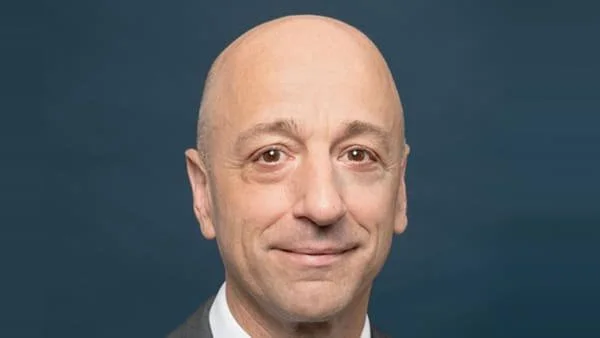
LT. GEN. SCOTT A. SPELLMON (RET.)
Prospective Deputy Administrator and Chief Reconstruction Engineer
Scott Spellmon would lead the physical reconstruction itself. His role would be to turn national plans into factories, grids, water systems, housing, transit, logistics hubs, and other major public assets.
As Deputy Administrator, he would give the engineering side of the PSTO real executive weight and keep construction, civil works, emergency response, and large-scale infrastructure delivery tied directly to the Office’s overall mission.
-
GANESH SITARAMAN
Prospective Chief Institutional Architect and Senior Counselor to the Administrator
Ganesh Sitaraman would guard the institutional purpose of the transition. His role would be to make sure the PSTO builds durable public capacity rather than simply handing public money to private monopolies.
He would advise directly on governance, ownership, public-interest safeguards, and the transfer of mature systems outward to local, regional, cooperative, or other long-term forms of stewardship.

-
BETONY JONES
Prospective Director of Labor Transition and Worker Sovereignty
Betony Jones would lead the worker side of the transition, making sure reconstruction and automation improve working life rather than simply reorganizing production around new technology.
Her office would work with unions and workers on workforce transitions, plant design, occupational safety, retraining, reduced working time, and guarantees for people whose jobs are changed or eliminated by automation.
She would also help guide mature publicly built production toward cooperative, worker, or locally governed forms where appropriate, so the transition expands worker sovereignty alongside productive capacity.

-
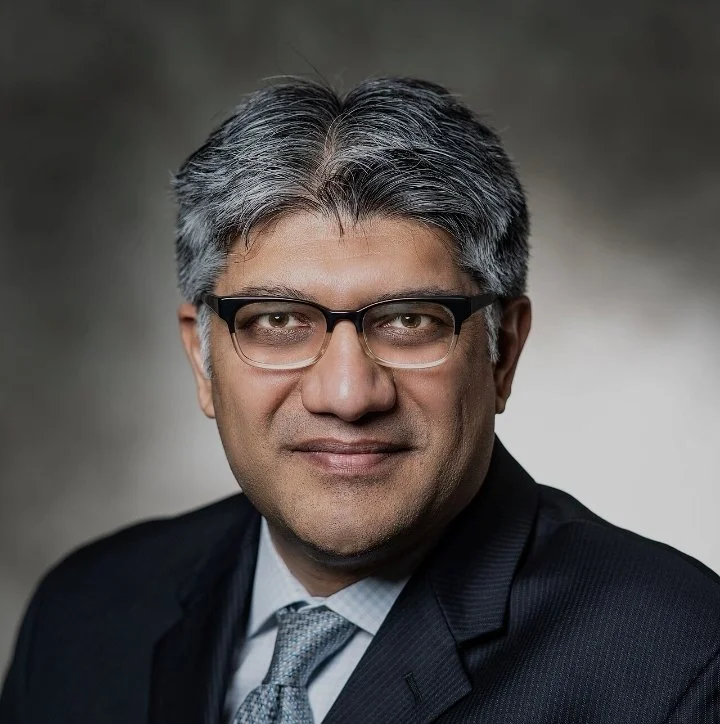
JIGAR SHAH
Prospective Director of Public Capacity Finance and Deployment
Jigar Shah would lead the conversion of large-scale public financing authority into real projects on the ground. His office would focus on getting capital into energy, manufacturing, grid modernization, batteries, critical materials, and other infrastructure needed for reconstruction.
His job would be to make sure the financing system produces physical capacity rather than getting lost in paperwork, financial engineering, or endless planning.
-
SAULE OMAROVA
Prospective Director of Public Finance Architecture
Saule Omarova would design and protect the financial framework behind the reconstruction. Her role would be to help build public investment structures that can operate outside ordinary Wall Street profitability tests.
She would work closely with Treasury and other public financial institutions to make sure essential productive capacity can be built because society needs it, not only when private investors expect a high enough return.

-
JENNIFER PAHLKA
Prospective Chief Operating Officer and Director of Administrative Delivery
Jennifer Pahlka would be responsible for making the PSTO actually work as an institution. Her office would oversee internal systems, digital infrastructure, procurement, interagency workflows, and public-facing administrative delivery.

-
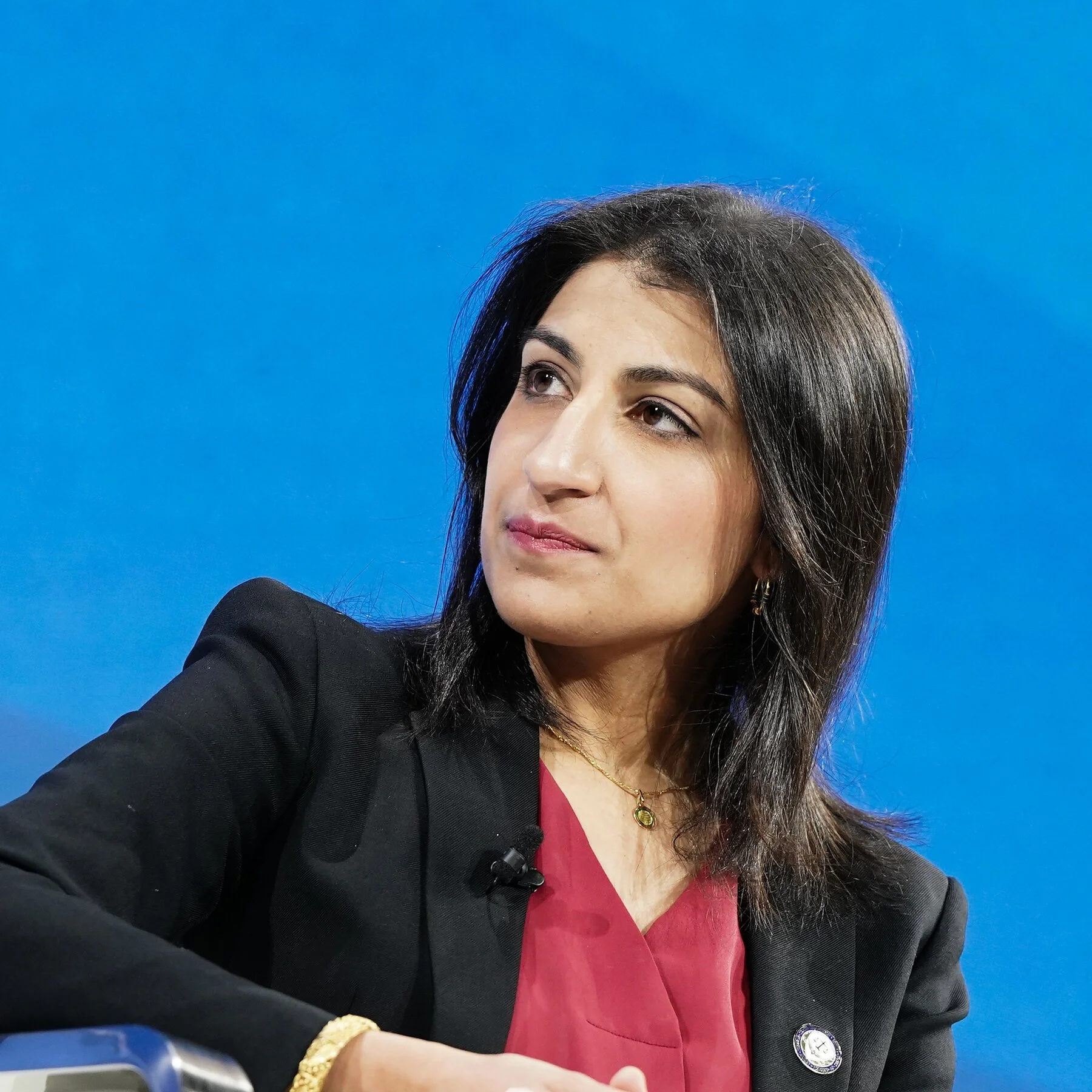
LINA KHAN
Prospective Director of Anti-Capture and Public Sovereignty
Lina Khan would protect the reconstruction from monopoly power, private-equity extraction, contractor capture, vendor lock-in, and proprietary enclosure.
Her office would focus on competition, interoperability, repairability, open standards, contractor concentration, and making sure publicly financed systems do not become the next generation of private chokepoints.
-
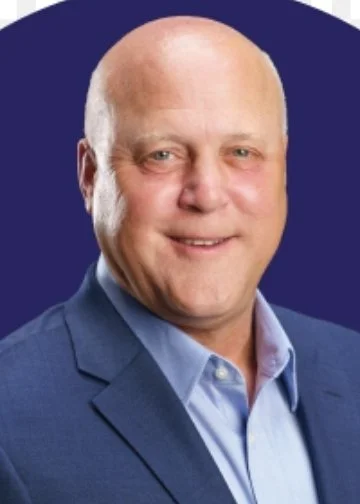
MITCH LANDRIEU
Prospective Director of Intergovernmental and Regional Implementation
Mitch Landrieu would lead the PSTO’s work with States, Tribal nations, territories, municipalities, regional authorities, and local institutions.
His role would become especially important as reconstruction projects mature, helping move operational responsibility away from the federal center and into regional and local stewardship wherever that makes sense.
-
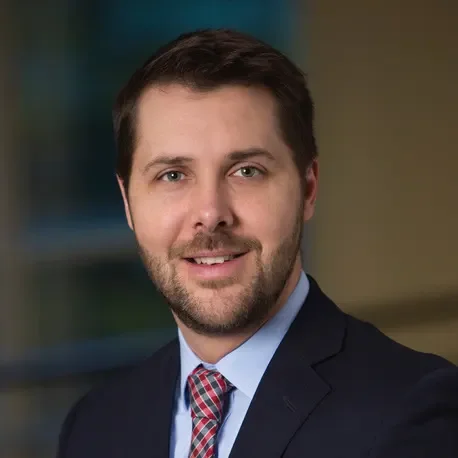
BRIAN DEESE
Prospective Senior Coordinator for Strategic Industrial Mobilization and Supply Chains
Brian Deese would coordinate the parts of reconstruction that require the national industrial base to move across sectors at once. His work would center on strategic supply chains, critical materials, manufacturing capacity, and large-scale industrial mobilization.
He would help make sure shortages in one part of the system do not stall the rest of the reconstruction, while working within the PSTO’s commitment to direct public capacity.
-
Tier II - Mission Directorate Leadership
-
JANISSE QUIÑONES
Prospective Director of National Grid Engineering and Public Power Buildout
Janisse Quiñones would lead the physical transformation of the national electric grid, with responsibility for transmission, distribution, storage, substations, transformers, microgrids, black-start capability, and public-power expansion.
Her job would be to make the grid larger, more resilient, more distributed, and easier to repair, while identifying manufacturing and supply-chain bottlenecks before they stall the broader reconstruction.

-
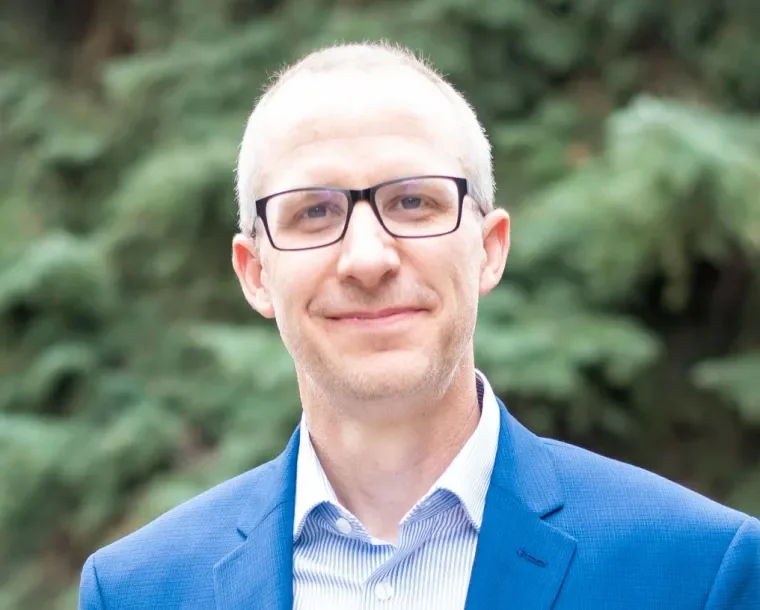
RYAN E. SMITH
Prospective Director of Housing Industrialization and Building Systems
Ryan E. Smith would lead the industrialization of housing production, turning Sovereign Homes from a legislative program into a large-scale manufacturing system.
His directorate would develop regional housing factories, standardized structural platforms, interchangeable components, automated production, open technical standards, and flexible designs that allow mass production.
-
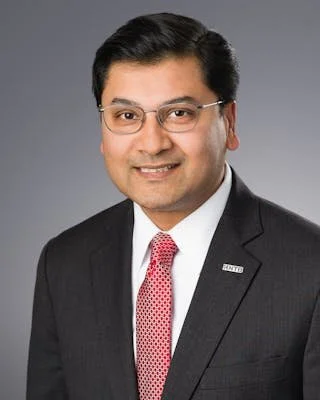
AMIT BOSE
Prospective Director of National Rail and Freight Reconstruction
Amit Bose would lead the rebuilding and expansion of the nation’s passenger and freight rail systems as part of the country’s industrial backbone.
His work would cover corridors, freight capacity, yards, signaling, crossings, rolling stock, ports, regional integration, and the movement of the steel, machinery, food, construction materials, and factory inputs needed to keep reconstruction moving.
-
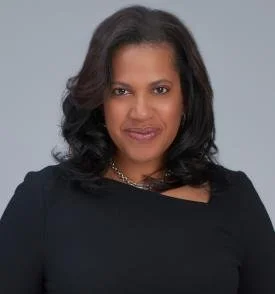
KISHIA POWELL
Prospective Director of National Water and Circular Water Systems
Kishia Powell would lead the reconstruction of drinking water, wastewater, stormwater, treatment, and reuse systems across the country.
Her directorate would focus on replacing failing infrastructure, expanding capacity, improving drought resilience, removing lead service lines, and pushing water systems toward increasingly efficient and closed-loop operation.
-
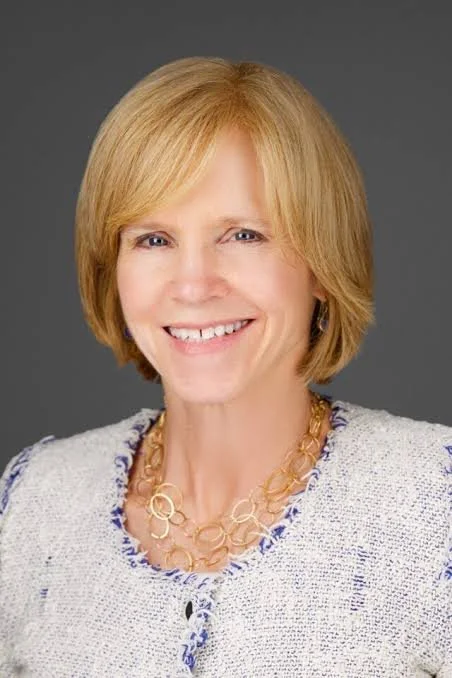
ELISABETH REYNOLDS
Prospective Director of Advanced Manufacturing and Productive Systems
Elisabeth Reynolds would lead the manufacturing system needed to reproduce the reconstruction itself.
Her directorate would focus on machine tools, robotics, additive manufacturing, industrial automation, materials processing, regional production networks, technology diffusion, and the replication of public manufacturing capacity across the country.
-
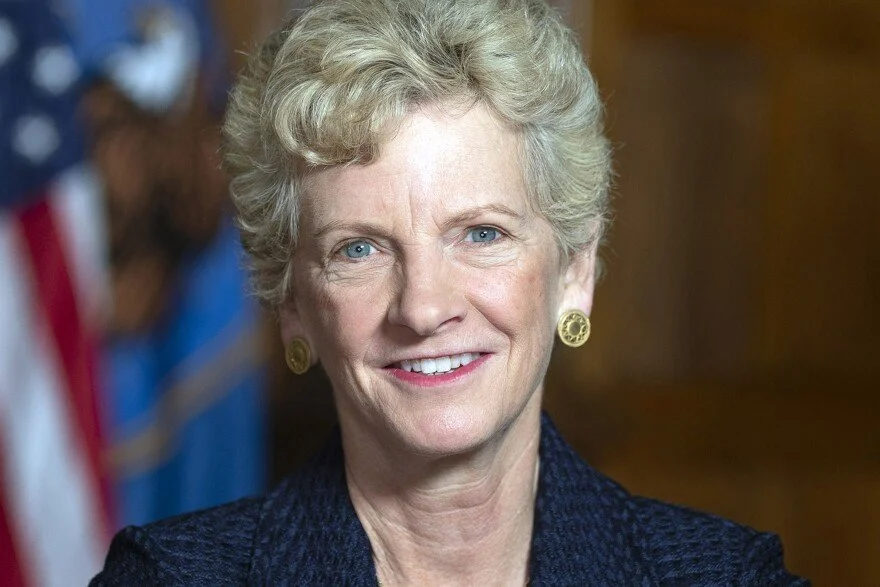
ROBIN CARNAHAN
Prospective Director of Strategic Procurement and Public Capability
Robin Carnahan would oversee how the PSTO buys, contracts, and builds the capabilities it needs.
Her directorate would treat procurement as a strategic decision, asking when government should purchase from outside suppliers and when repeated dependence, lock-in, or concentration means the public sector should build the capability in-house instead.
-
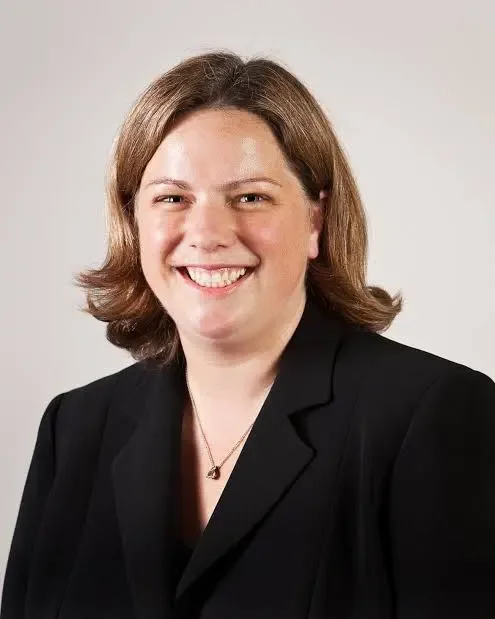
JENNY MOFFITT
Prospective Director of Food Systems and Agricultural Productive Capacity
Jenny Moffitt would lead the public infrastructure behind a stronger and more distributed food system.
Her work would focus on processing, storage, logistics, regional supply chains, controlled-environment agriculture, public research, breeding, resilience, and anti-monopoly capacity while leaving production distributed among family farms, Tribal agriculture, cooperatives, municipalities, and other local producers.
-
MINA HSIANG
Prospective Director of Public Digital Infrastructure and Civic Systems
Mina Hsiang would lead the digital systems that allow the PSTO to see, coordinate, and manage reconstruction in real time.
Her directorate would build interoperable infrastructure registries, real-resource inventories, supply-chain visibility, capacity planning tools, privacy preserving civic systems, public identity infrastructure where needed, open-source reference systems, and software that States, Tribes, and municipalities can operate without permanent vendor dependence.